
Blog
How Does a Crusher Machine Work?
As a leading manufacturer in the mining and construction equipment industry, Liming Heavy Industry specializes in producing high-quality crusher machines that efficiently process various materials. Understanding how crusher machines work is essential for optimizing production processes in mining, construction, and recycling operations.
In this comprehensive guide, we’ll explore the fundamental working principles of different types of crusher machines, with a focus on our specific product lines including jaw crusher, impact crusher, and cone crusher.
Basic Working Principles of Crusher Machines
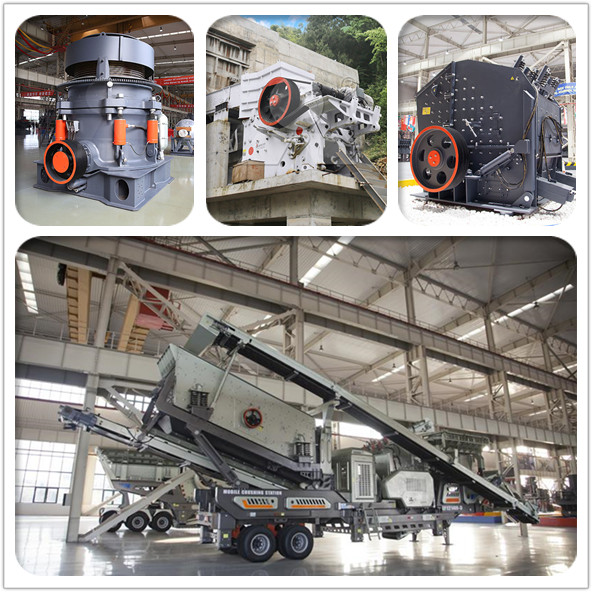
All crusher machines operate on the fundamental principle of applying mechanical force to materials, breaking them down into smaller pieces through various mechanisms. The specific approach varies depending on the crusher type and the material being processed.
Key Components in Crusher Machines
Most crusher machines share common elements including a feeding mechanism, crushing chamber, crushing elements, drive system, and discharge method. These components work together to transform large, raw materials into uniformly sized aggregate suitable for further processing or direct use.
Jaw Crusher: Primary Crushing Workhorses
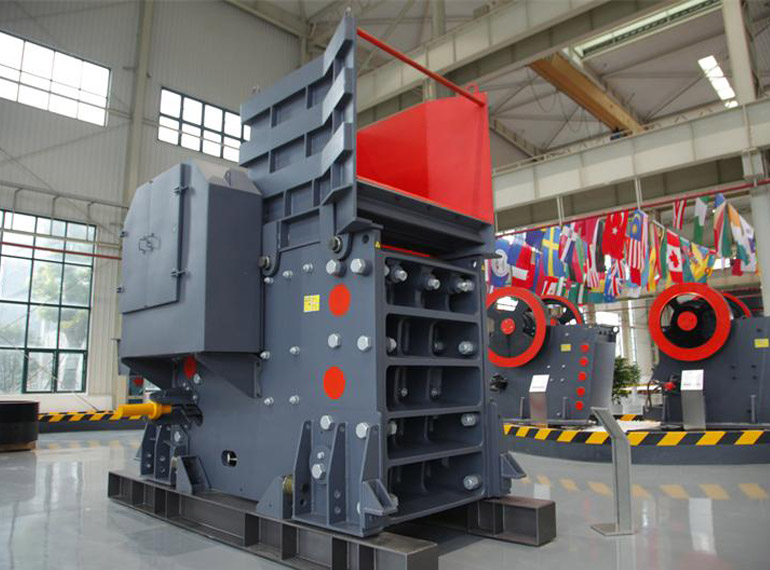
Jaw crusher are among the most common primary crusher in mining and quarry operations. At Liming Heavy Industry, our C6X Series Jaw Crusher represent the latest in crushing technology with optimized performance features.
How C6X Series Jaw Crusher Work
The crushing process begins when material enters the crusher through the vibrating feeder and enters the crushing chamber between the fixed and movable jaw plates. The movable jaw exerts compressive force against the fixed jaw, fracturing the material through mechanical pressure.
Our C6X Jaw Crusher feature an optimized crushing cavity structure that increases feeding capacity and output while reducing wear on jaw plates. The continuous crushing action processes material efficiently, with the final product size determined by the gap between the jaw plates at the discharge point.
C6X Series Technical Highlights
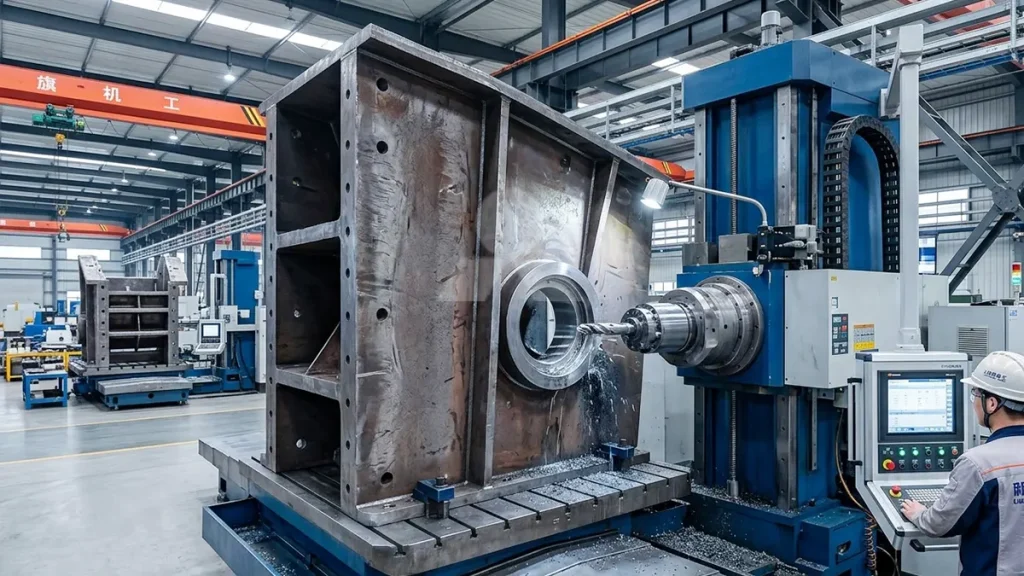
Our C6X series includes multiple models such as C6X110, C6X125, C6X145, C6X160, and C6X200 with motor power ranging from 160-400 kW and production capacities from 70-1500 t/h depending on model and settings. These crusher feature a modular, non-welded frame structure, double-wedge adjustment device, and integrated motor base for enhanced stability and durability.
Mobile Crusher: Crushing on the Go
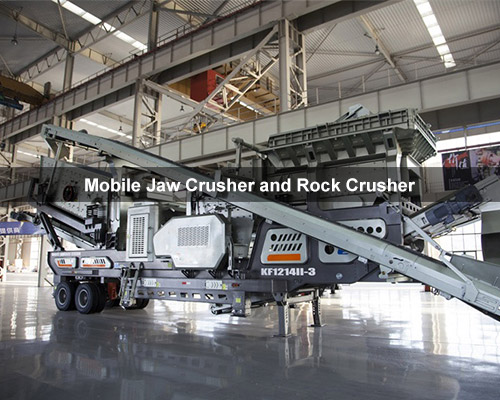
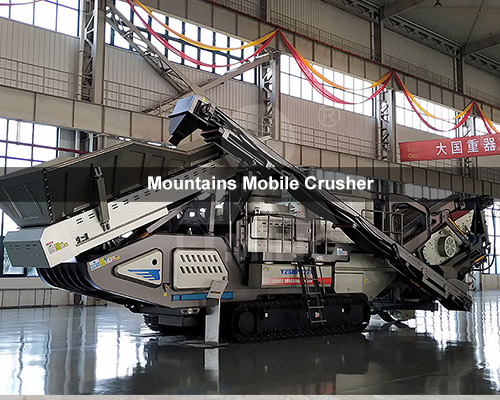
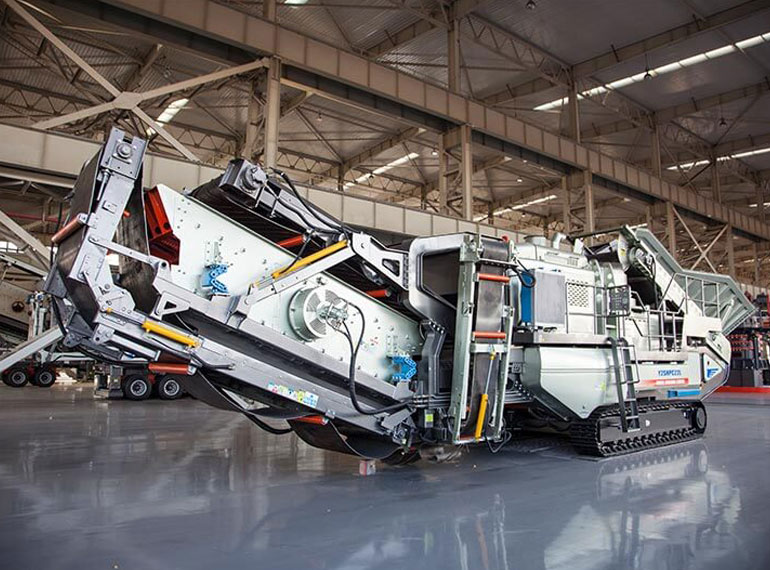
Mobile crushing stations offer unparalleled flexibility for operations requiring mobility between sites. Our KE and KJ series mobile crusher integrate crushing equipment with vehicular components for complete mobility.
Mobile Crusher Operation
These systems typically include a feeding mechanism, crusher unit, conveyor system, and power source mounted on a tracked or wheeled chassis. For example, our KE750-1 model features a TSW1139 feeder and PE750×1060 jaw crusher capable of processing up to 630mm feed material with an output of 110-300 t/h.
The mobility allows for direct feeding from excavators or loaders, with processed material typically discharged onto conveyor belts for stockpiling or direct loading. The interchangeable systems allow quick transformation between jaw crusher and impact crusher configurations depending on application requirements.
Impact Crusher: High-Reduction Ratio Crushing
Impact crusher utilize high-speed impact forces rather than compression to fracture materials. These are particularly effective for processing medium-hard to soft materials and producing well-shaped aggregate.
Impact Crushing Mechanism
In our PFW Series Impact Crusher, material enters the crushing chamber and is struck by rapidly rotating hammers or blow bars. The material is then thrown against impact plates (breaker plates) where it fractures along natural cleavage lines. This process continues until the material is reduced to the required size and passes through the adjustable gap between the rotor and impact plates.
Our KF series mobile impact crusher, such as the KF1214Ⅱ-1 equipped with PFW1214Ⅱ impact crusher, can process up to 500mm feed material with production capacities of 110-190 t/h, making them ideal for various medium-hardness materials.
Cone Crusher: Secondary and Tertiary Crushing
Cone crusher operate through a gyrating mechanism inside a bowl-shaped chamber, providing efficient secondary or tertiary crushing for hard and abrasive materials.
Cone Crusher Operation Process
In our hydraulic cone crusher, material is fed into the top of the crusher and progressively crushed between the mantle and concave as it moves downward. The eccentric assembly causes the mantle to gyrate, creating compressive forces that break down the material. The hydraulic system allows for automatic adjustment and overload protection, ensuring consistent product quality.
These crusher excel at producing fine aggregate with excellent particle shape. The hydraulic system provides multiple functions including clearing the crushing chamber, adjusting the discharge setting, and providing overload protection, all contributing to optimized operation and reduced downtime.
The Complete Crushing Process
Effective material processing typically involves multiple crushing stages to achieve the desired product specifications:
Primary Crushing Stage
The initial size reduction of raw material from large quarried blocks to manageable sizes, typically using jaw crusher like our C6X series or primary mobile stations like KE860-1 with feed openings up to 930mm.
Secondary Crushing Stage
Further reduction of primary crushed material using cone crusher or impact crusher to produce intermediate sizes. Our KF1315Ⅱ-1 with PFW1315Ⅱ impact crusher processes up to 600mm material with outputs of 180-280 t/h for this purpose.
Tertiary Crushing Stage
Final crushing stage to produce specific aggregate sizes and shapes, often using specialized cone crusher or fine impact crusher. This stage focuses on achieving precise product gradation and particle shape for specific applications.
Industry Applications
Our crusher machines serve diverse industries with reliable performance:
| Industry | Application | Recommended Equipment |
|---|---|---|
| Mining | Ore processing, mineral extraction | C6X Jaw Crusher, Cone Crusher |
| Construction | Aggregate production, demolition recycling | Mobile Crusher, Impact Crusher |
| Quarrying | Stone processing, aggregate production | Jaw Crusher, Cone Crusher |
| Recycling | Concrete, asphalt processing | Mobile Impact Crusher |
Crusher Selection Guide
Choosing the right crusher depends on multiple factors:
Material Characteristics
Consider hardness, abrasiveness, moisture content, and input size when selecting equipment. Hard, abrasive materials typically require jaw or cone crusher, while less abrasive materials can be processed efficiently with impact crusher.
Production Requirements
Evaluate required capacity, final product specifications, and operational flexibility needs. Mobile crusher offer excellent flexibility while stationary plants typically provide higher volume processing capabilities.
Site Conditions
Assess space constraints, mobility requirements, and environmental considerations to determine the most suitable crushing solution.
Frequently Asked Questions
What’s the main difference between jaw crusher and impact crusher?
Jaw crusher utilize compression force between fixed and moving jaw plates, making them ideal for hard, abrasive materials. Impact crusher use high-speed impact forces, better suited for medium-hard to soft materials and producing well-shaped aggregate.
How often do crusher machines require maintenance?
Maintenance frequency depends on operating conditions and material abrasiveness. Regular inspection schedules should include checking wear parts, lubrication systems, and structural components. Our equipment is designed for easy maintenance with accessible components.
Can crusher machines process recycled materials?
Yes, our crusher, particularly our mobile impact crusher like the KF series, are excellent for processing concrete, asphalt, and other construction debris for recycling applications.
Conclusion
Understanding how crusher machines work is fundamental to optimizing your operations in mining, quarrying, or recycling. At Liming Heavy Industry, we engineer our crushing equipment with advanced technologies to ensure reliable performance, easy maintenance, and cost-effective operation.
From our robust C6X Series Jaw Crusher for primary crushing applications to our versatile mobile crushing stations and efficient impact crusher, we offer comprehensive solutions tailored to your specific needs. By selecting the appropriate crusher type and configuration for your material and production requirements, you can maximize efficiency and profitability in your operations.

Get Solution & Quotation