
Blog
Quarry Crusher and Screen Plant for Granite
Introduction
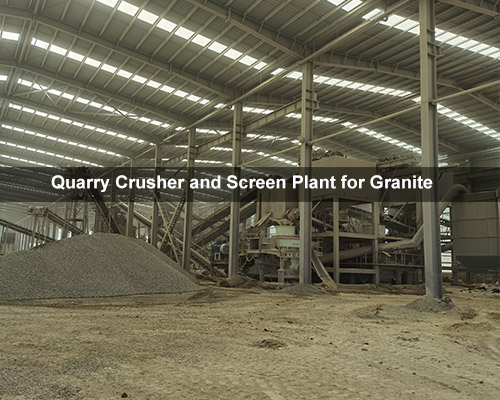
Granite is one of the hardest natural stones, requiring robust crushing and screening solutions for efficient quarry operations. A well-designed quarry crusher and screen plant for granite can significantly improve productivity while reducing operational costs.
Essential Equipment for Granite Processing
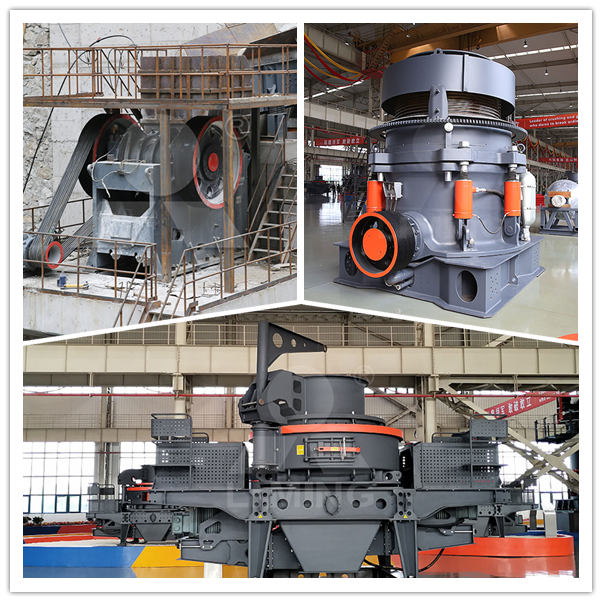
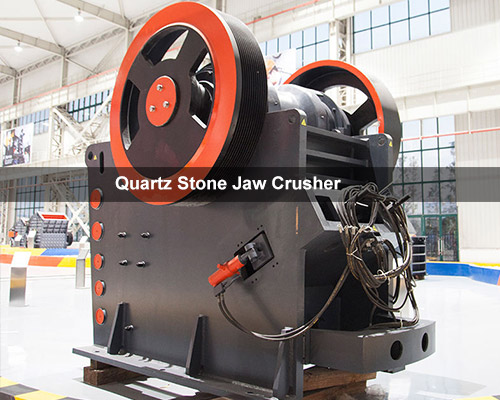
1. Primary Crushing: Jaw Crusher
- Heavy-duty jaw crusher as the initial size reducer
- Designed for high compressive strength granite
- Typical feed size: 800-1500mm
2. Secondary Crushing: Cone Crusher
- Converts large granite chunks into smaller, uniform sizes
- Hydraulic models preferred for hard granite
- Output size: 20-50mm
3. Screening Systems
- Multi-deck vibrating screens for precise classification
- Washing screens for cleaner final products
- Common sieve sizes: 5mm, 10mm, 20mm, 40mm
Optimal Plant Configuration
A complete granite processing line typically includes:
- Grizzly feeder for uniform material distribution
- Primary jaw crusher station
- Secondary cone crusher unit
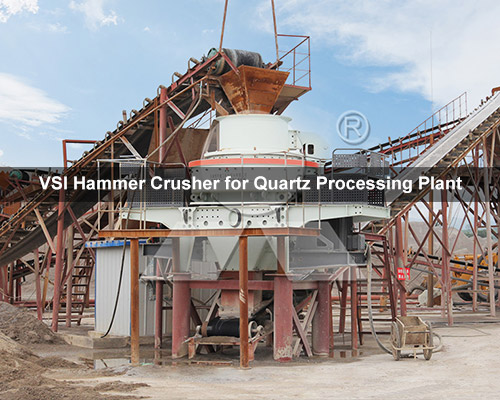
- Tertiary impact crusher (optional for specific applications)
- Multi-layer vibrating screens
- Conveyor systems connecting all components
Advantages of Modern Granite Processing Plants
- Higher Efficiency: Advanced automation reduces human error
- Lower Costs: Energy-saving designs cut power consumption
- Better Quality: Precise screening ensures consistent gradation
- Environmental Protection: Dust suppression systems minimize pollution
Maintenance Tips
- Regular lubrication of crusher bearings
- Timely replacement of wear parts (mantles, concaves, screen meshes)
- Daily inspection of conveyor belts
- Monthly vibration analysis for rotating components
Conclusion
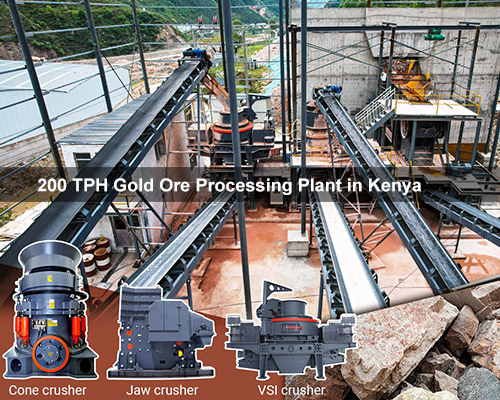
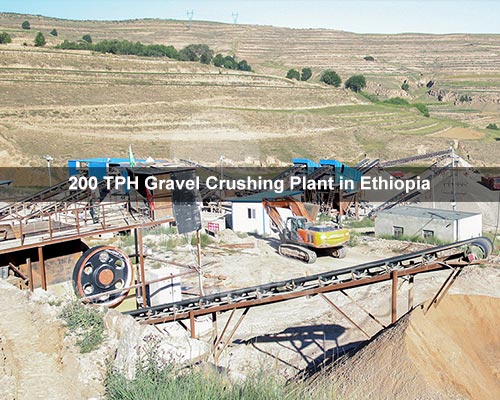
Investing in a properly sized quarry crusher and screen plant for granite operations ensures long-term profitability through reliable performance and superior product quality. Modern plants with automation capabilities can achieve production outputs ranging from 200TPH to over 1000TPH, meeting diverse project requirements.

Get Solution & Quotation