
Blog
Pebble sand making machine line
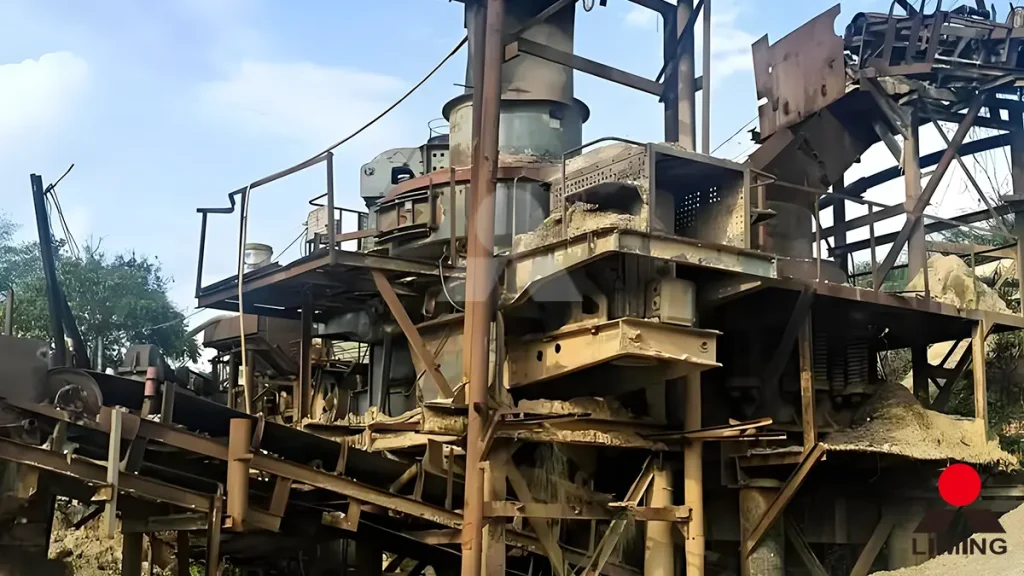
Architecting a pebble sand making machine line requires absolute obedience to the abrasive physics of high-silica rock. River pebbles and gravel are not standard limestone; they are 200MPa geological anomalies forged through millennia of hydraulic erosion. I consistently audit failed extraction nodes where amateur designers attempted to apply soft-rock logic to a gravel sand making machine circuit. If you specify the wrong secondary crusher, or if you source a compromised sand making machine hammer from an unverified broker, the silica will vaporize your internal steel in under 48 hours. A viable flowchart dictates strict geometric hierarchy: primary compressive extraction, secondary lamination survival, and tertiary kinetic shaping via a sand making machine.
Circuit Hierarchy: Impactors vs. Lamination Physics
You cannot negotiate with 85% silica content.
The most devastating architectural error in a pebble sand making machine circuit is the misapplication of secondary equipment. Utilizing a ci5x impact crusher on river pebbles is a fatal flaw. Impactors rely on extreme rotational velocity to strike the rock with high-chrome blow bars. The abrasive friction of the silica acts like an industrial grinder, completely destroying the blow bars in two days and triggering a catastrophic spike in your expenditure per shift.
Hard rock absolutely mandates a multi-cylinder HPT cone crusher.
Cones utilize slow, high-pressure lamination crushing to survive the abrasive friction, grinding the rock against itself rather than destroying the machine’s steel mantle. However, while the cone survives the abrasion, its compressive force inherently produces a 20% flakiness index. If the plant architecture skips a tertiary vsi sand making machine to save money, the resulting flaky aggregate will fail commercial concrete shear-stress tests, rendering the entire output unsellable.
Tertiary Shaping and the VSI6X Mandate
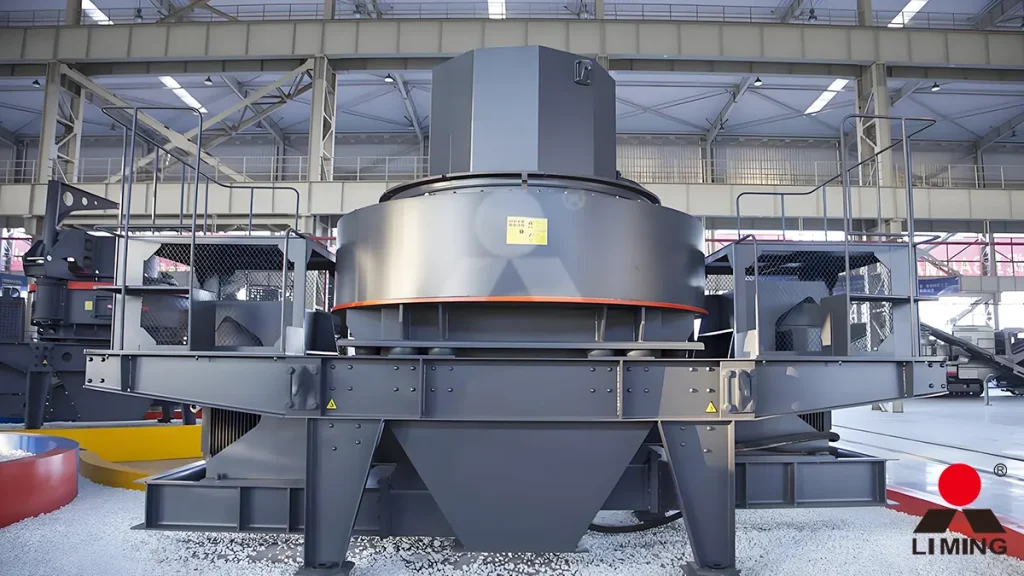
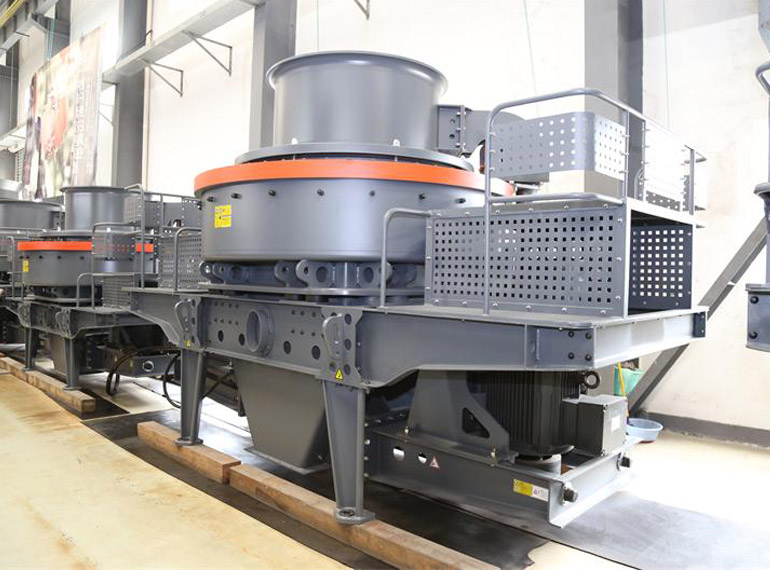
To cure the geometric flaws generated by the secondary cone, the circuit must integrate a dedicated sand crusher machine. The vsi6x vertical shaft impactor is the ultimate geometric finisher. It does not compress rock; it hurls it. By accelerating the flaky stones and smashing them into a stationary bed of rock (rock-on-rock collision), it physically chips off the sharp edges, yielding strictly cubical manufactured sand.
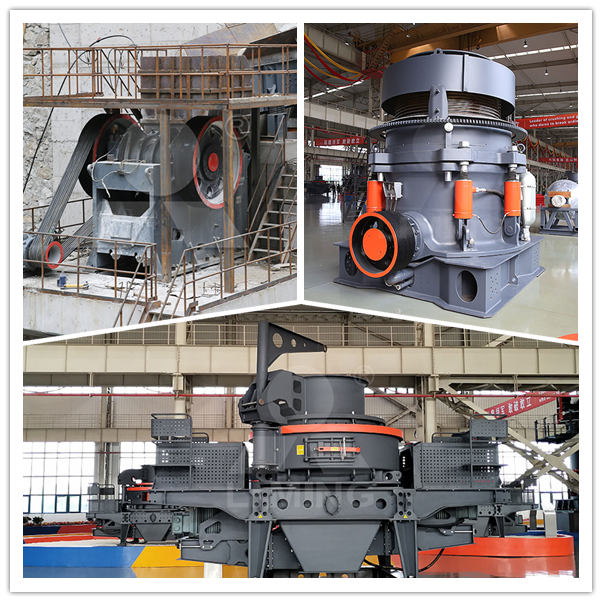
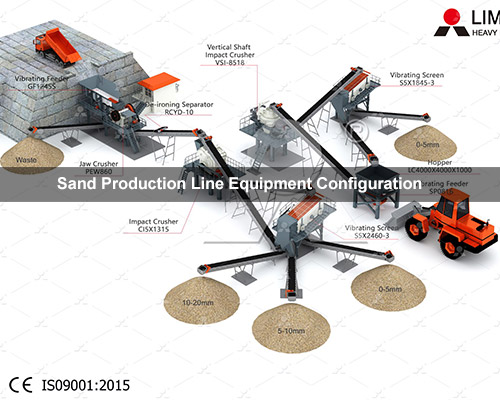
A strict 3-stage hierarchy is required to balance abrasive survival with geometric compliance.
| Process Stage | Recommended Equipment | Kinetic Function | Mass Balance Status |
|---|---|---|---|
| Primary Extraction | C6X125 Jaw | Gross Compressive Reduction | Initial Buffer |
| Secondary Survival | HPT300 Cone | Lamination (Abrasion Defense) | Flaky Yield Output |
| Tertiary Shaping | VSI6X1040 | Rock-on-Rock Kinetic Collision | Strict Cubical Cure |
However, the survival of this high-RPM kinetic accelerator relies entirely on one highly specialized, deeply misunderstood internal component. This brings us to the core vulnerability of the entire plant.
Rotor Physics and the Hammer Design Matrix
Novice operators frequently ask: what is a sand making machine hammer? In the context of a VSI, it is not a swinging mallet. It is the tungsten carbide rotor tip (or throw head) located at the peripheral discharge ports of the high-speed rotor. This component physically pushes the aggregate outward at lethal velocities. Because it is the last point of contact between the machine and the 200MPa silica pebble, its metallurgical integrity dictates your circuit amortization cycle.
Field Note: I audited a plant where the operator bypassed their authorized sand making machine hammer company to save $500. They sourced a generic replacement from an unverified sand making machine hammer supplier. The sand making machine hammer weight was off by just 15 grams per piece. When the 400kW dual motors hit maximum RPM, the dynamic imbalance was so severe it sheared the mounting bolts and tore the main bearings straight out of their housings.
Understanding how choose a sand making machine hammer is an act of mechanical self-preservation. You are not buying a piece of metal; you are buying precise dynamic balance. The sand making machine hammer size and the exact sand making machine hammer design must mathematically correspond to the rotor’s rotational inertia. A legitimate sand making machine hammer factory utilizes strict CNC machining and dynamic balancing protocols.
VSI6X Rotor Consumables: Kinetic Integrity Audit
- Metallurgical Baseline: Tungsten carbide inserts with high-chrome alloy bodies.
- Dynamic Tolerance: sand making machine hammer weight variance must be <5 grams per set.
- Procurement Source: Strict mandate for oem sand making machine hammer components.
- Operational Failure Risk: Asymmetric wear triggers high-frequency bearing destruction.
- Abrasion Defense: Rock-on-rock cavity configuration to shield the rotor tips.
Silica Abrasion & Hammer Degradation Verdict
Procurement Liability: Why do cheap hammers destroy the entire VSI?
A generic sand making machine hammer producer lacks the CNC precision required for high-speed rotational balancing. If one tip wears slightly faster than the others, the rotor’s center of gravity shifts. This high-frequency dynamic imbalance will physically tear the oversized bearings out of their cast housings.
OEM Vetting: How do you identify a true manufacturer?
You must demand proof of metallurgical integrity. A verified sand making machine hammer manufacturer provides specific sand making machine hammer solutions tailored to your geology. They guarantee a long-life sand making machine hammer by utilizing strict tungsten carbide alloying, not cheap cast iron.
Geological Mismatch: Why is the CI5X banned from this circuit?
River pebbles contain up to 85% silica. An impact crusher relies on extreme rotational velocity to strike the rock with steel blow bars. The abrasive friction will vaporize the high-chrome steel in 48 hours. Hard rock absolutely mandates the slow, high-pressure lamination of an HPT cone crusher to survive.
Geometric Failure: Why is the VSI strictly a shaper?
Compressive machines shear rock along flat planes, creating elongated slabs. The VSI does not compress; it hurls. The resulting rock-on-rock collision physically chips away the sharp edges. It is a geometric finisher, entirely incapable of acting as a primary volume reducer.
Enforce Circuit Hierarchy and OEM Procurement
Designing an extraction node for river pebbles is a war against abrasive friction. If you deploy an impactor into the secondary stage, or attempt to shape the aggregate without a VSI6X next month, your mass balance deficit will permanently cripple your metallurgical yield velocity. More critically, the internal survival of your shaping equipment relies entirely on strict procurement discipline. You must bypass unverified brokers and secure your consumables directly from a legitimate OEM factory capable of executing precise dynamic balancing.
Audit your rotor consumables and redesign your mass flow immediately.

Get Solution & Quotation