
Blog
Copper Ore Processing Flow Chart
Introduction to Copper Ore
Copper ore is a crucial raw material for the electrical, construction, and industrial machinery sectors. Naturally occurring copper minerals include chalcocite (Cu₂S), chalcopyrite (CuFeS₂), bornite (Cu₅FeS₄), and malachite [Cu₂CO₃(OH)₂]. These ores often have a low copper content (as low as 0.5% in some deposits), making efficient processing essential for economic viability. The primary goal of copper ore processing is to separate valuable copper minerals from worthless gangue material through a series of physical and chemical steps.
Copper Ore Processing Flow Chart
The entire process of extracting copper from ore can be divided into three main stages: Crushing and Screening, Grinding, and Beneficiation (typically by Flotation). Each stage relies on robust and efficient machinery to handle the abrasive and often high-volume nature of the material.
1. Crushing and Screening Process
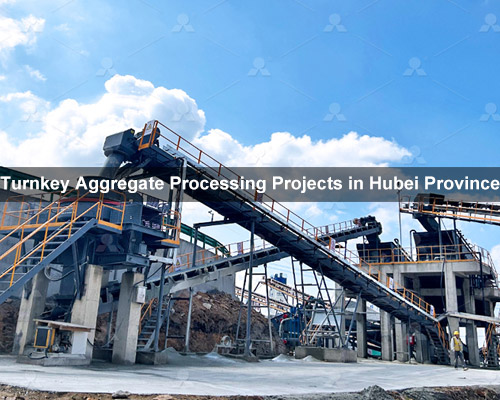
The first step in copper ore processing is to reduce the size of the extracted ore for subsequent grinding and liberation of copper minerals. This is typically achieved using a Three-Stage Closed-Circuit Crushing system, which is highly effective for hard copper ores.

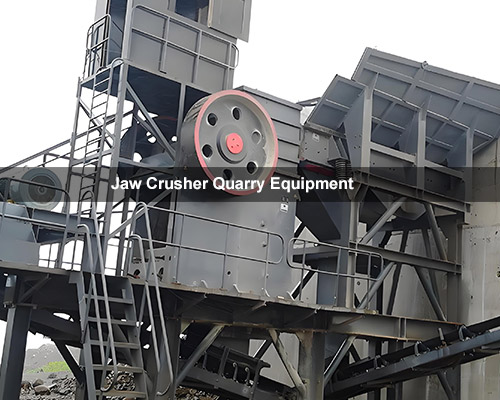
- Primary Crushing: Large copper ore (often up to 1 meter in size) from the mine is uniformly fed into a C6X Series Jaw Crusher or a mobile primary crushing station for initial size reduction. The powerful jaw crusher breaks down the large rocks into smaller pieces (typically below 200-250mm).
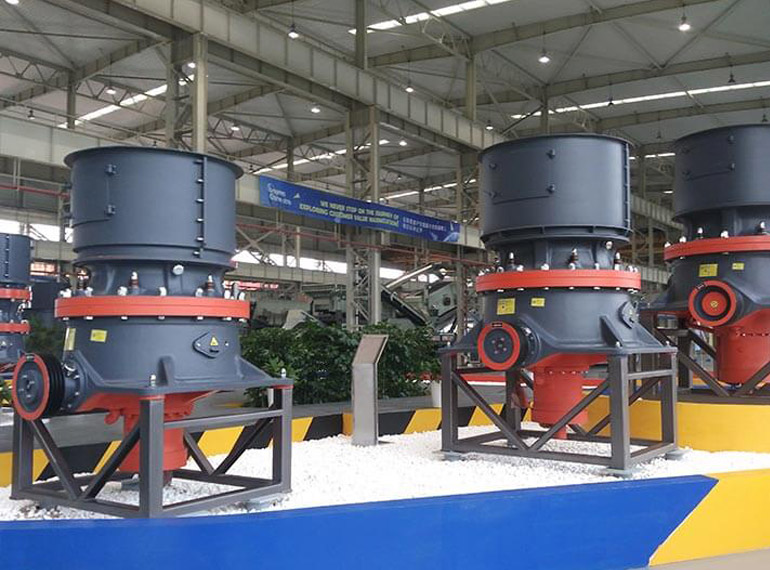
- Secondary Crushing: The coarsely crushed ore is then screened by a vibrating screen. Oversized material is conveyed by belt conveyor to a HST Single Cylinder Hydraulic Cone Crusher or an HPT Multi-Cylinder Hydraulic Cone Crusher for intermediate crushing, reducing the ore to about 50-100mm.
- Tertiary Crushing: For further size reduction, the intermediate crushed ore is fed into a VSI6X Sand Crusher or another fine crusher like the HPT cone crusher in a closed circuit with a screen. This stage aims to produce ore particles typically smaller than 12-25mm, suitable for the grinding stage. Screening ensures that only properly sized material proceeds.
Note: For mines requiring high mobility, Liming Heavy Industry offers Mobile Crushing Stations (K Series) that can be configured with these crushers, enabling faster installation and on-site movement.
2. Grinding Process
After crushing, the ore undergoes grinding to achieve further liberation of copper minerals from the gangue. This is usually done in a Two-Stage Closed-Circuit Grinding system.
- The crushed ore (0-12mm or 0-25mm) is evenly fed into a Ball Mill or a LM Vertical Grinding Mill for milling.
- A spiral classifier is used to separate the ground material. Particles that do not meet the fineness requirement (often requiring over 80% to pass 200 mesh for flotation) are returned to the grinding mill for further processing. This closed-circuit system ensures efficient energy use and controls product size.
3. Beneficiation Process – Flotation
The finely ground copper powder (pulp) is then subjected to beneficiation, most commonly via Froth Flotation. This process exploits differences in the surface physical and chemical properties of minerals.
- Flotation: The pulp is fed into flotation machines. Specific reagents (collectors, frothers, modifiers) are added to make valuable copper minerals hydrophobic (water-repelling). Air is bubbled through the pulp, causing copper mineral particles to attach to the bubbles and rise to the surface to form a froth layer, which is skimmed off. Gangue minerals (silica, silicates) remain in the pulp and are discarded as tailings. Modern Mixed Flotation techniques are often employed for complex ores.
- Dewatering: The recovered copper concentrate (often 20-30% Cu) undergoes dewatering through thickening, filtering (e.g., in a filter press), and sometimes drying to produce a drier concentrate suitable for smelting.
For low-grade oxide copper ores (0.2%-1.5% Cu), a Heap Leaching – Solvent Extraction – Electrowinning (SX-EW) process might be employed instead of conventional crushing-grinding-flotation.
Liming Heavy Industry Equipment Application in Copper Processing
Liming Heavy Industry provides a comprehensive suite of equipment covering all stages of copper ore processing:
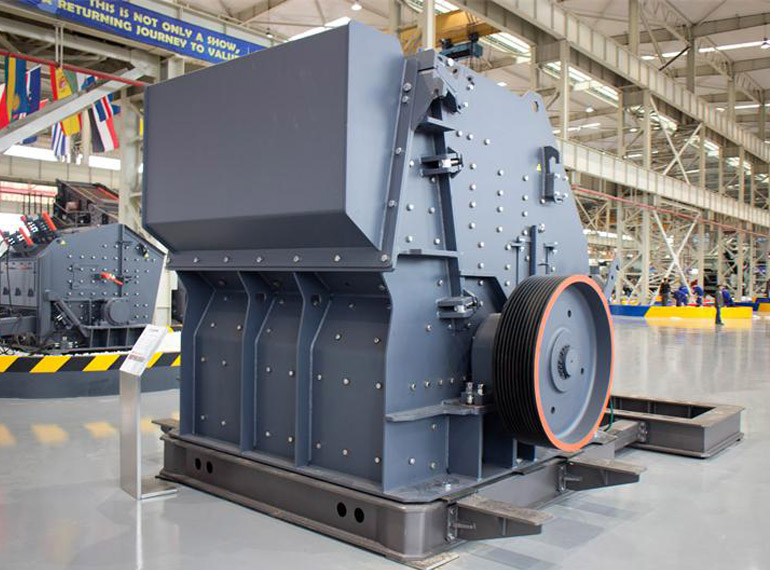
- Crushing: Jaw Crushers (C6X Series, JC Series), Cone Crushers (HST, HPT Series), Impact Crushers (CI5X Series), VSI6X Sand Crusher, and Mobile Crushing Stations (K Series).
- Grinding: Ball Mills, LM Vertical Grinding Mills, MTW European Trapezium Mills, TGM Trapezium Mills.
- Auxiliary Equipment: Vibrating Feeders, Vibrating Screens (S5X Series), Belt Conveyors, Spiral Classifiers.
Our equipment is designed to handle various copper ore types (sulfide, oxide) and characteristics (abrasive, hard), offering flexible configuration options from standalone units to complete production lines.
Technology and Innovation in Our Equipment
Liming Heavy Industry integrates advanced technologies into its mineral processing equipment:
- Advanced Crushing Technology: Our HPT/HST Cone Crushers feature hydraulic adjustment and clearing systems, ensuring stable output and product size even with abrasive ores.
- Intelligent Automation: PLC control systems allow for remote monitoring and automatic adjustment of operational parameters, optimizing efficiency and reducing manual intervention.
- Wear-Resisting Materials: Critical components are made from high-quality, wear-resistant materials, extending service life in harsh mining conditions and reducing maintenance downtime.
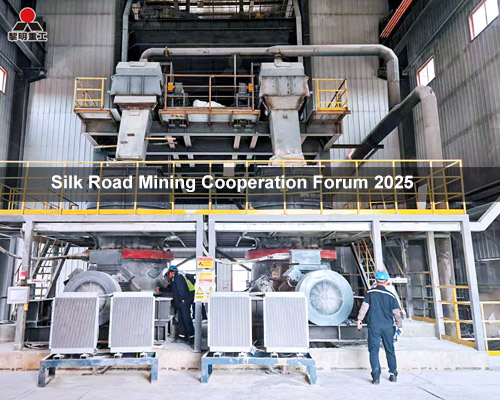
- Energy Efficiency: Our LM Vertical Grinding Mills are renowned for lower energy consumption compared to traditional ball mills, significantly reducing operating costs.
- Environmental Protection: Equipment designs emphasize dust suppression and noise reduction. Furthermore, our systems often facilitate dry stacking of tailings, an environmentally superior alternative to traditional tailings ponds.
Equipment Capacity and Types
We offer a wide range of models with varying capacities to suit different production needs, from small pilot plants to large-scale mining operations.
| Processing Stage | Equipment Type | Example Models | Capacity Range* | Key Features |
|---|---|---|---|---|
| Primary Crushing | Jaw Crusher | C6X145, JC110 | 150-1500 t/h | Deep crushing chamber, high efficiency |
| Secondary/Tertiary Crushing | Cone Crusher | HST160, HPT300 | 100-800 t/h | Hydraulic control, excellent particle shape |
| Mobile Crushing | Mobile Station | K3 Series | 70-400 t/h | Integrated, flexible, reduces hauling costs |
| Grinding | Vertical Grinding Mill | LM170K, LM220M | 10-100 t/h | Low energy consumption, integrated drying |
| Grinding | Ball Mill | MQG series (various sizes) | 5-100 t/h | Proven technology, reliable operation |
*Capacity depends on ore characteristics (hardness, moisture content, feed size) and final product requirements.
Common Challenges and Solutions in Copper Ore Processing
Copper processing plants often face several challenges; our equipment and solutions are designed to address them:
- Challenge: High Abrasiveness and Hardness of Ore leading to high wear and tear. Solution: Use of premium wear-resistant materials in crusher liners, mantles, concaves, and grinding mill liners. Automatic wear compensation systems in cone crushers (HPT/HST) maintain consistent product quality.
- Challenge: Fluctuating Ore Grades and Mineralogy. Solution: Automated control systems can adjust crusher settings and mill feed rates based on sensor data to optimize performance for varying feed conditions.
- Challenge: High Energy Consumption, especially in grinding. Solution: Adoption of our energy-efficient LM Vertical Grinding Mill or HPGR technology can significantly reduce power consumption compared to traditional ball mills.
- Challenge: Water Consumption and Tailings Management. Solution: Our equipment supports dry processing configurations where feasible. Efficient thickeners and filter presses for tailings dewatering facilitate dry stacking, reducing water usage and environmental risk.
- Challenge: Dust Generation. Solution: Integrated dust suppression systems (fog cannons, sprays) and enclosed transfer points on conveyors help control dust, ensuring a safer working environment and regulatory compliance.
Case Study: LM Vertical Mill in a Copper Concentrator
Project Background: A concentrator processing porphyry copper ore (primary copper sulfide) aimed to reduce grinding costs and improve efficiency for its 5000 TPD operation. The existing ball mill circuit was energy-intensive.
Solution & Equipment Provided: We recommended and supplied one LM170K Vertical Grinding Mill system in a closed circuit with classifiers to handle the secondary grinding duty.
Process Flow: Crushed ore (<25mm) from the tertiary crushers is fed to the LM170K mill. Ground ore is classified, with oversize returned to the mill. The final product (80% passing 200 mesh) is pumped to the flotation circuit.
Results & Data:
- Energy Savings: Specific energy consumption for grinding reduced by over 30% compared to the previous ball mill system.
- Output & Availability: Achieved a stable output of 85 t/h of ground product meeting flotation feed size requirements. Operational availability exceeded 95%.
- Total Cost of Ownership: Lower wear rates on grinding rollers and table, combined with energy savings, led to a significant reduction in operating costs per ton of ore processed.
This project demonstrates how Liming Heavy Industry’s innovative grinding technology directly contributes to lower production costs and enhanced sustainability in copper processing.
Why Choose Liming Heavy Industry for Your Copper Processing Needs?
- Proven Expertise & Global Reach: With nearly 40 years of experience, our equipment is trusted by mining companies worldwide, operating successfully in diverse conditions from Russia to Australia.
- Full-Circuit Solutions: We supply equipment for every stage of the process flow, ensuring compatibility and seamless integration, from primary crushing to grinding.
- Technology-Driven Performance: Continuous R&D investment ensures our equipment incorporates the latest advancements in efficiency, automation, and reliability.
- Commitment to Sustainability: Our energy-efficient designs and support for environmentally sound practices like dry tailings stacking help clients meet their sustainability goals.
- Comprehensive Support: We provide more than just machinery. Our team offers expert technical support, process design consultation, genuine parts supply, and thorough after-sales service, including training and maintenance support.

Get Solution & Quotation