Solutions
Railway Ballast Crusher
Railway Ballast Production Process
Railway ballast is a crucial component in rail track construction, providing stability, drainage, and load distribution. High-quality crushed stone must meet strict size and strength requirements. Liming Heavy Industry offers efficient ballast production lines with advanced crushing, screening, and washing technologies.
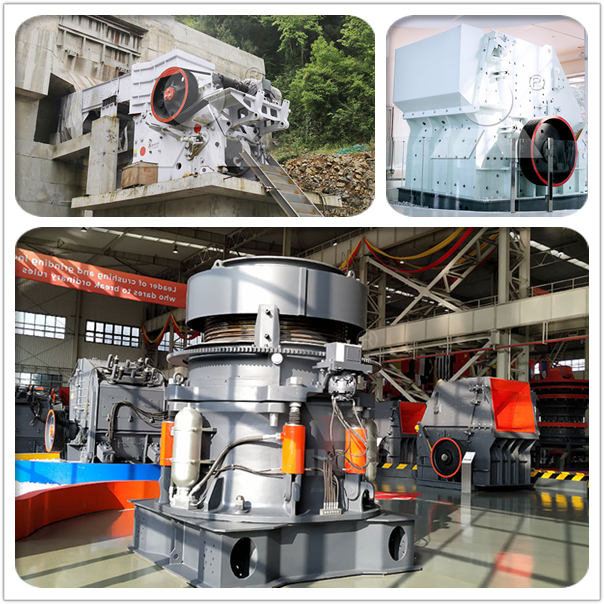
1. Material Selection
The best rocks for railway ballast include:
- Granite
- Basalt
- Hard sandstone
- Other durable, angular stones
2. Crushing Process (Key Equipment)
The production line typically includes:
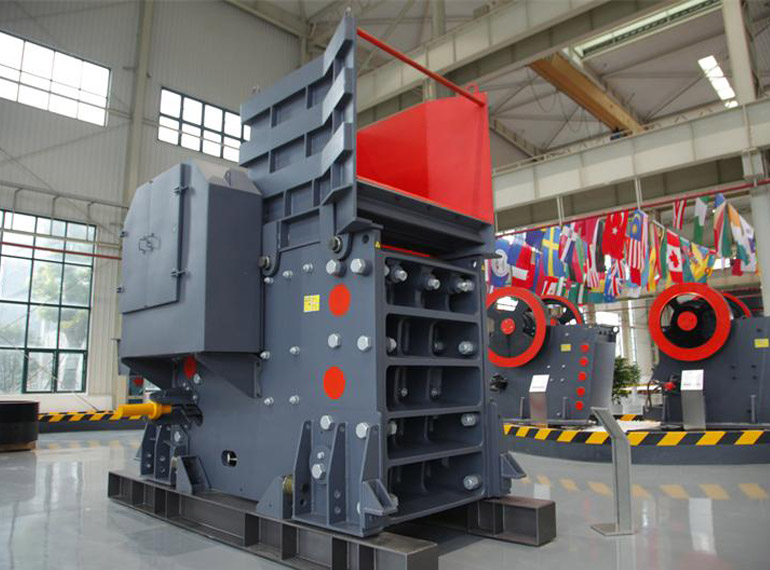
- Primary Crushing (Jaw Crusher)
Model: HJ Series High Efficiency Jaw Crusher / C6X Jaw Crusher
→ Function: Breaks large rocks (500-1000mm) into smaller pieces (150-300mm). - Secondary Crushing (Cone Crusher or Impact Crusher)
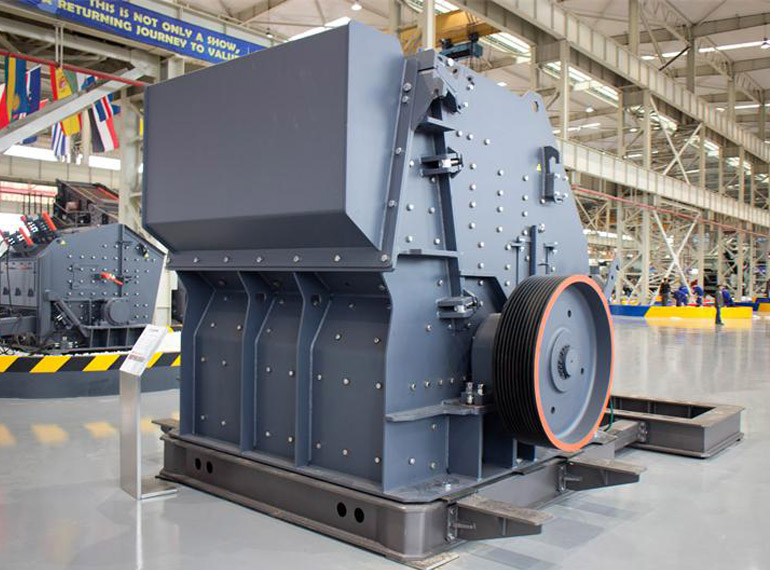
Model: HPT Multi-cylinder Hydraulic Cone Crusher / CI5X Impact Crusher
→ Function: Further crushes stones to 40-70mm (ideal for ballast). - Tertiary Crushing (if needed, for fine adjustment)
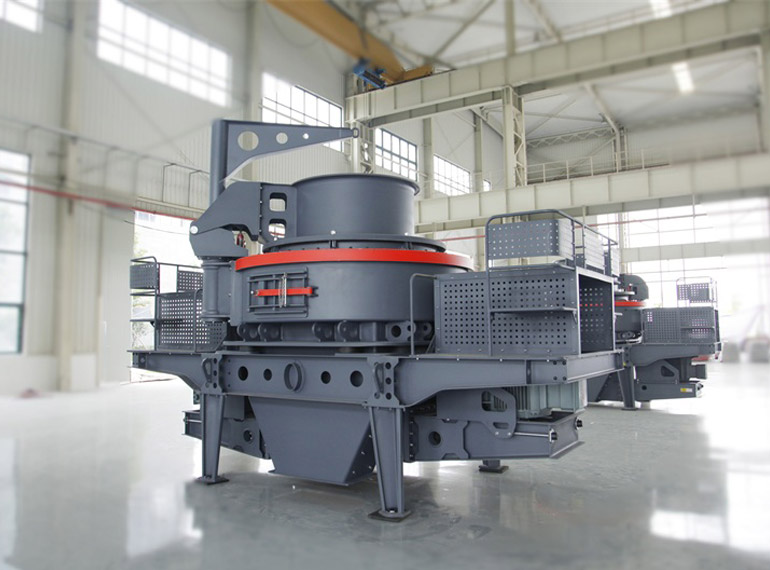
Model: VSI6X Sand Maker (for cubical shaping)
3. Screening & Washing
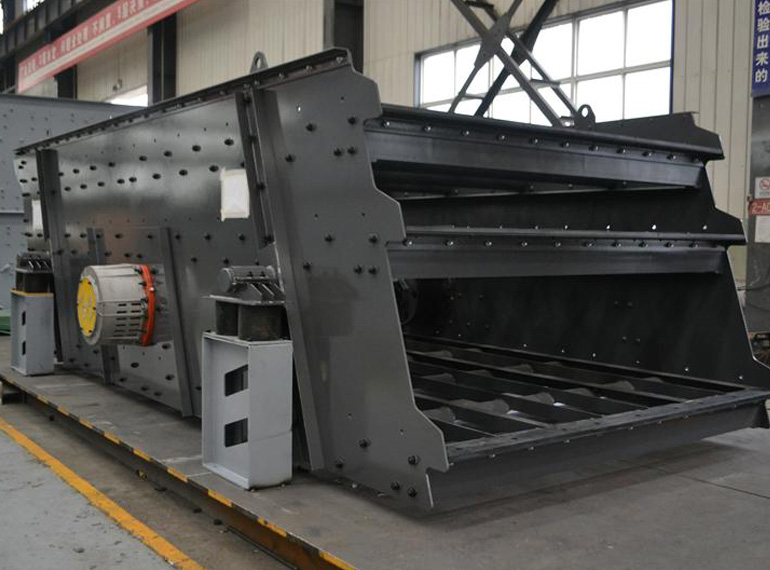
- Vibrating Screen (Model: S5X Vibrating Screen / YK Series)
→ Separates ballast into required sizes (e.g., 28-50mm or 20-40mm). - Sand Washer (Optional for removing dust)
4. Quality Control
- Grain shape: Cubical & angular (enhances interlocking).
- Hardness: Abrasion-resistant (Los Angeles abrasion test <25%).
- Cleanliness: Free from dust & organic materials.
Why Choose Liming Heavy Industry’s Ballast Crushing Equipment?
- High Efficiency: Designed for low wear and long service life.
- Automated Control: Minimizes manual intervention.
- Versatility: Handles granite, basalt, and other hard rocks.
- EPC Service: Full production line customization.
Featured Equipment:
- Coarse Crushing: HJ Jaw Crusher / C6X Jaw Crusher
- Medium-Fine Crushing: HPT Cone Crusher / PFW Impact Crusher
- Screening: S5X Vibrating Screen
RELATED EQUIPMENT
Discover our high-performance industrial equipment designed for durability and efficiency in various applications.