
Blog
Allowance for Setup and Operation of Gravel Crushing Plant
Setting up a modern gravel processing plant requires careful planning, significant investment, and technical expertise. As the demand for high-quality construction aggregates continues to grow globally, understanding the complete cost structure and operational requirements of a gravel making machine system becomes essential for business success. This comprehensive guide from Liming Heavy Industry provides critical insights into the financial allowances needed for establishing an efficient sand and gravel processing facility that delivers maximum return on investment while minimizing operational challenges.
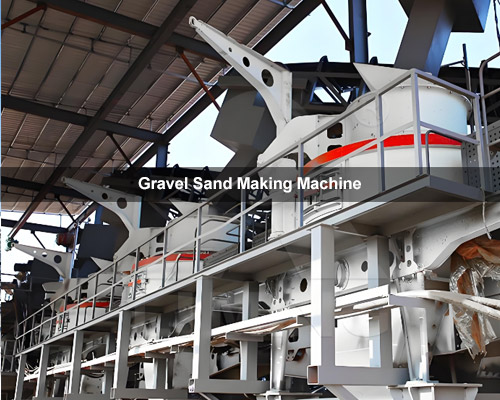
Industry Pain Points in Gravel Production
The aggregate industry faces numerous challenges that impact profitability and operational efficiency. Many plant operators struggle with unexpected downtime due to equipment failure, inconsistent product quality, excessive energy consumption, and high maintenance costs. Additionally, environmental compliance has become increasingly stringent, requiring specialized dust and noise control systems. According to industry reports, unplanned equipment downtime can cost operations up to $10,000 per hour in lost production and repair expenses.
Another significant challenge is the fluctuation in raw material quality. Natural variations in feed material properties create difficulties in maintaining consistent end-product specifications. This inconsistency often leads to product rejection or downgrading, directly affecting revenue streams. Many existing facilities also operate with outdated technology that lacks automation capabilities, resulting in higher labor costs and reduced production efficiency.
Integrated Solutions for Modern Gravel Processing
Liming Heavy Industry offers comprehensive solutions designed specifically to address these industry challenges. Our integrated approach to sand and gravel processing combines advanced equipment design with smart operational strategies to maximize productivity while minimizing total cost of ownership.
Core Equipment Configuration
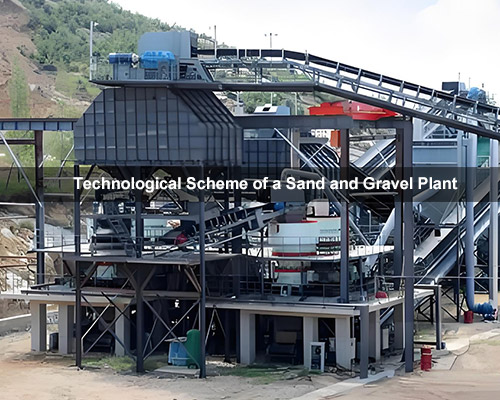
A properly designed gravel processing plant requires careful selection of equipment that works harmoniously together. The standard configuration includes:
- Primary Crushing: C6X Series Jaw Crusher for initial size reduction
- Secondary Crushing: CI5X Series Impact Crusher for medium crushing
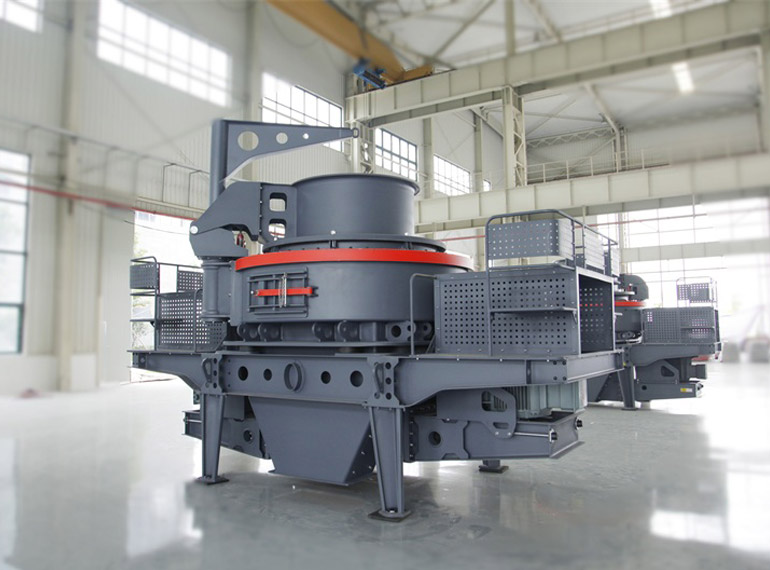
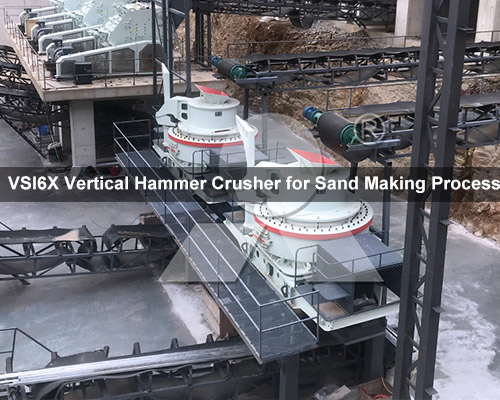
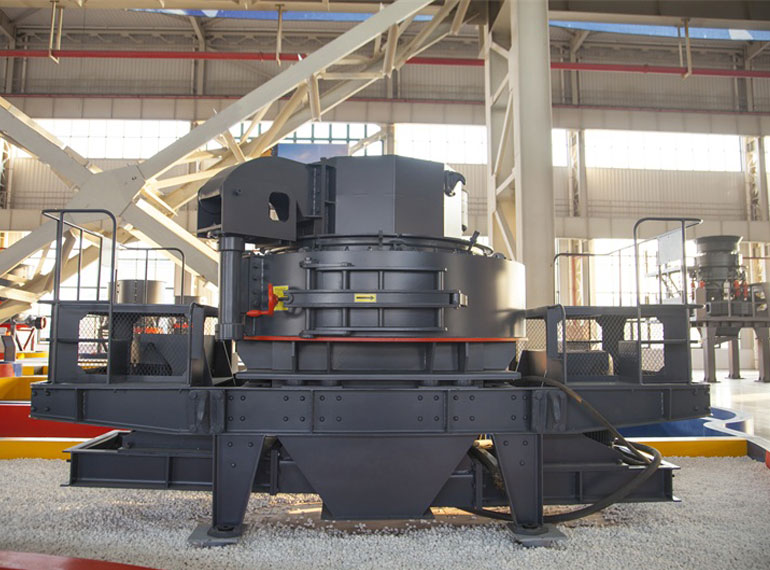
- Tertiary Crushing: VSI6X Series Vertical Shaft Impact Crusher for final shaping
- Screening: S5X Series Vibrating Screen for precise particle separation
- Washing: XSD Series Sand Washer for final product cleaning
- Material Handling: Complete conveyor system with dust control
Gravel Characteristics and Processing Requirements
Understanding gravel properties is essential for proper equipment selection and plant design. Gravel typically consists of rock fragments ranging from 2mm to 75mm in diameter, with varying degrees of hardness, abrasiveness, and moisture content. These characteristics significantly influence processing requirements.
Gravel from riverbed deposits generally contains rounded particles with minimal clay content, requiring less aggressive crushing but more thorough washing. In contrast, quarry-run gravel often contains angular particles with higher clay content, demanding more robust crushing equipment and pre-screening systems. The hardness of the parent rock (measured on the Mohs scale) determines wear rates on crusher components and energy consumption patterns.
Technical Specifications of Key Equipment
C6X Series Jaw Crusher
The C6X Series Jaw Crusher serves as the primary machine for making gravel in most processing plants. This robust crusher features an improved kinematic design that increases crushing ratio while reducing energy consumption by up to 15% compared to conventional models. The hydraulic adjustment system allows for precise discharge opening control without manual intervention.
| Model | Feed Size (mm) | Capacity (t/h) | Power (kW) | Weight (t) |
|---|---|---|---|---|
| C6X100 | 180 | 80-230 | 90 | 18 |
| C6X125 | 250 | 150-350 | 132 | 28 |
| C6X160 | 350 | 250-500 | 200 | 45 |
VSI6X Series Vertical Shaft Impact Crusher
For producing premium quality gravel with excellent shape characteristics, the VSI6X Series offers superior performance. This gravel making machine utilizes advanced rock-on-rock and rock-on-metal crushing principles to create cubical particles ideal for high-grade concrete applications. The innovative wear monitoring system alerts operators before maintenance becomes critical, preventing unexpected downtime.
Installation and Operational Allowance Requirements
Site Preparation Budget
Proper site preparation accounts for approximately 15-20% of total project investment:
- Land clearing and leveling: $15,000-50,000
- Foundation construction: $30,000-100,000
- Utility connections (power, water): $20,000-60,000
- Access roads and drainage: $25,000-75,000
Equipment and Installation Costs
The primary investment for a complete gravel processing plant typically ranges from $500,000 to $2 million depending on capacity and automation level. Equipment costs generally represent 65-70% of this budget, with installation and commissioning accounting for the remaining 30-35%.
Operational Cost Allowances
- Labor: 2-4 operators per shift depending on automation level
- Energy: 1.2-2.5 kWh per ton of processed material
- Maintenance: 3-5% of equipment value annually
- Spare parts: 1.5-2.5% of equipment value annually
- Downtime contingency: 5-10% of projected annual revenue
Case Study: 300 TPH River Gravel Processing Plant in Thailand
A construction materials producer in Thailand recently installed a complete gravel processing solution from Liming Heavy Industry to address growing demand for high-quality concrete aggregates. The plant processes river gravel with feed size up to 150mm to produce three final products: 0-5mm sand, 5-12mm fine gravel, and 12-24mm coarse gravel.
The integrated system features a C6X125 jaw crusher as primary equipment, followed by two CI5X1315 impact crushers for secondary crushing, and a VSI6X900 vertical shaft impactor for final shaping. Five S5X2160 vibrating screens handle the classification process, while two XSD3016 sand washers provide final product cleaning.
Since commissioning, the plant has achieved 12% higher production capacity than initially projected while consuming 8% less energy due to optimized equipment selection and configuration. The automated control system has reduced labor requirements by 30% compared to their previous facility.
Purchasing Guide: Selecting the Right Equipment
Capacity Planning
Determine your required production capacity based on market demand analysis. Liming Heavy Industry offers gravel making machine solutions ranging from 50 TPH to 1000+ TPH. Consider future expansion when selecting equipment size – most crushers operate most efficiently at 70-85% of maximum capacity.
Material Characteristics Assessment
Conduct thorough testing of your feed material to determine:
- Abrasion index (to estimate wear part life)
- Crushability factor (to determine power requirements)
- Moisture content (to prevent screen blinding)
- Fines content (to optimize pre-screening requirements)
Environmental Compliance Considerations
Modern sand and gravel processing facilities must address environmental concerns:
- Dust suppression systems (water sprays, bag filters)
- Noise reduction enclosures and barriers
- Water recycling systems for washing operations
- Energy-efficient drive systems to reduce carbon footprint
Installation and Maintenance Guidelines
Critical Installation Steps
- Verify foundation dimensions and reinforcement according to engineering drawings
- Ensure proper alignment of all conveyor systems
- Install electrical systems with appropriate overload protection
- Implement dust collection systems before commissioning
- Calibrate control systems and safety interlocks
Maintenance Schedule
| Equipment | Daily | Weekly | Monthly | Annual |
|---|---|---|---|---|
| Jaw Crusher | Lubrication check | Toggle plate inspection | Wear liner measurement | Complete overhaul |
| VSI Crusher | Wear parts visual check | Rotor balance check | Drive alignment | Bearing replacement |
| Vibrating Screens | Screen cloth inspection | Bearing temperature check | Spring condition assessment | Motor alignment |
Frequently Asked Questions
1. How much space is required for a 200 TPH gravel processing plant?
A complete 200 TPH gravel processing plant typically requires a minimum area of 1,000 square meters (10,760 sq ft) including equipment footprint, maintenance access, raw material stockpile, and finished product storage areas. This can vary based on site topography and layout optimization.
2. What is the expected lifespan of a modern gravel crushing plant?
With proper maintenance, the main structural components of a gravel making machine system can last 15-20 years. Wear components like crusher liners, screen media, and conveyor belts require regular replacement, typically every 6-24 months depending on material abrasiveness and operating hours.
3. How much water is required for washing operations in sand and gravel processing?
Water consumption for a typical sand and gravel processing plant ranges from 1,000 to 3,000 liters per hour per 100 TPH capacity. Implementing a closed-loop water recycling system can reduce freshwater requirements by 80-90% while maintaining product quality standards.
4. What power supply is needed for a medium-sized gravel crushing plant?
A 200-300 TPH complete gravel processing facility typically requires a 600-800 kW electrical supply at 6-10 kV. Power factor correction systems are recommended to optimize energy efficiency and reduce utility costs.
5. How can I reduce operational costs in my gravel production facility?
Operational cost reduction strategies include: implementing predictive maintenance programs to prevent catastrophic failures, optimizing crusher settings for maximum throughput with minimum energy consumption, training operators on best practices, and upgrading to energy-efficient motors and drives. The initial investment in automation and monitoring systems typically yields ROI within 12-18 months through reduced downtime and labor costs.
Summary and Investment Considerations
Establishing a profitable gravel processing plant requires careful planning of both capital expenditure and operational allowances. Liming Heavy Industry’s integrated approach to sand and gravel processing delivers superior reliability, product quality, and total cost of ownership compared to conventional setups.
When budgeting for your facility, remember to allocate sufficient funds not just for equipment purchase, but also for proper site preparation, installation expertise, operator training, and a comprehensive spare parts inventory. The most successful operations view their machine for making gravel as a complete system rather than a collection of individual components.
With over 30 years of experience in aggregate processing equipment manufacturing, Liming Heavy Industry provides not just machinery but complete solutions backed by technical expertise and global support networks. Our clients typically achieve full ROI within 14-24 months of operation, with equipment lifespans exceeding industry averages by 25-30%.
For a customized quotation and plant design consultation, contact our engineering team today to discuss your specific gravel production requirements and site conditions.

Get Solution & Quotation